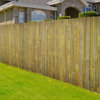
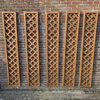
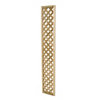
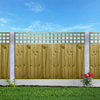
Garden trellis and screening panels are a versatile way to add privacy, structure and visual interest to an outdoor space. Fence top trellis sits above existing fence panels to increase height and screening without replacing the whole boundary, and is available in square, lattice and arch styles to suit different garden designs. Trellis panels also provide an ideal framework for climbing plants such as roses, clematis and ivy. For a more natural finish, garden screens in bamboo, willow and reed offer effective privacy screening with a relaxed, organic look. Whether you need a garden privacy screen, a decorative divider or an additional fence trellis, there is an option to suit every outdoor space and budget.
Garden trellis and screening panels are a versatile way to add privacy, structure and visual interest to an outdoor space. Fence top trellis sits above existing fence panels to increase height and screening without replacing the whole boundary, and is available in square, lattice and arch styles to suit different garden designs. Trellis panels also provide an ideal framework for climbing plants such as roses, clematis and ivy. For a more natural finish, garden screens in bamboo, willow and reed offer effective privacy screening with a relaxed, organic look. Whether you need a garden privacy screen, a decorative divider or an additional fence trellis, there is an option to suit every outdoor space and budget.
Garden trellis and screening come in a wide range of types, each suited to a different purpose in the garden. Understanding what each product is designed to do makes it easier to choose the right solution for your outdoor space.
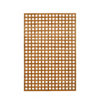
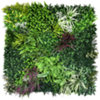
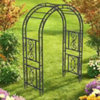
For classic structure and support for climbing plants, trellis panels are the most popular choice, sitting above fence runs or against walls to create a decorative framework. For a more dramatic effect, artificial plant wall panels create instant greenery with minimal upkeep, making them a practical alternative to living walls. Garden obelisks provide a strong, decorative support for climbing plants in beds, borders and pots, available in wooden obelisk and metal obelisk options to suit different garden styles.
Choosing the right height of trellis or screening panel depends on how much privacy you need, what you are growing and how the trellis will sit within your existing garden layout.
2ft trellis suits low-level structure along paths and in front of borders without blocking views across the garden. 3ft trellis adds a little extra height, useful for defining areas while keeping the garden feeling open. 4ft trellis works well for dividing terraces from lawns or giving climbing plants a good starting framework. A 5ft trellis provides a practical balance between privacy and light for most garden boundaries.
For full-height privacy screening, a 6ft trellis is the most popular choice, with a 6ft wooden trellis a particularly well-suited option for traditional fencing and cottage-style planting schemes. Where maximum height is needed, such as in overlooked gardens or along raised terraces, an 8ft trellis provides the most substantial level of screening while still allowing climbers to be trained across the surface.
By Material
Choosing the right material for garden trellis and screening affects how it looks, how long it lasts and how much maintenance it needs over time.
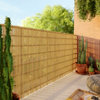
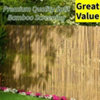
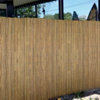
Bamboo screening is a versatile natural option that works well for covering fences, walls and railings and is available in different heights and densities. Willow garden screening offers a softer, more rustic texture suited to cottage and wildlife-friendly gardens. Reed screening is a lighter, flexible option well-suited to temporary or seasonal screening applications. Natural bamboo screening delivers a softer, more understated tone that sits comfortably alongside planting and decking.
Wooden garden trellis is the most traditional choice, working well for climbing plants and cottage-style borders and offering the flexibility to paint, stain or treat panels to match your garden scheme. Metal trellis provides a strong, low-maintenance alternative suited to contemporary and architectural garden designs. Plastic trellis is lightweight and easy to handle, making it a practical choice where weight or installation ease is a concern. Composite trellis resists weathering and requires less maintenance than untreated timber, making it a durable, long-term option.
By Colour
Colour is an important consideration when choosing garden trellis and screening, as the right shade can help panels blend into the garden or create a deliberate contrast against planting, fencing and outdoor furniture.
Natural trellis covers warm wood shades and subtle neutral tones that suit most garden styles and sit comfortably alongside existing fencing and planting. Natural bamboo panels introduce a gentle texture and an organic finish perfect for a relaxed, informal garden scheme. White garden trellis reflects light into smaller courtyards and works well in coastal or contemporary gardens alongside pale paving and simple planting. Grey screening panels suit modern schemes and pair well with composite decking, dark planters and minimal planting palettes.
Green trellis and screens blend naturally into shrubs and climbers, making them a good choice where a boundary needs to recede rather than stand out. Black garden screening creates a bold, high-contrast finish suited to framing statement plants or defining seating areas. Black metal trellis combines that striking finish with a strong, low-maintenance construction.
FAQs
What height trellis is best for garden privacy?
A 6ft trellis panel is the most popular choice for garden privacy, providing strong screening without blocking too much natural light. It works well on top of an existing fence or as a standalone panel. For overlooked gardens or those next to raised ground, an 8ft panel offers greater coverage.
Is bamboo screening better than reed screening?
Bamboo screening is generally stronger and more durable than reed screening, using thicker, rounded canes that hold up better to wind and weathering over time. Reed is lighter and more flexible, making it better suited to temporary setups or softer decorative projects where longevity is less of a priority.
Can I attach trellis panels to an existing fence?
Yes, trellis panels can be attached to most existing fences using strong brackets or timber battens secured evenly across the fence. Make sure existing fence posts are in good condition and capable of supporting the additional weight. Always check local height guidelines before adding trellis to a shared boundary.
Do I need planning permission to add trellis on top of my fence?
Planning permission is not usually required if the combined height of the fence and trellis does not exceed around two metres, though rules vary by area. If your property borders a public highway, different limits may apply. Always check with your local authority before installing taller screening.
What type of trellis is best for climbing plants?
A wooden trellis panel is a traditional favourite for roses, clematis and jasmine, blending naturally into planting schemes. Metal trellis panels suit heavier or more vigorous climbers where strong, long-lasting support is needed. An obelisk works well for vertical accents in borders and containers.
How long does garden screening last outdoors?
Lifespan depends on the material and level of maintenance. Bamboo, willow and reed typically last two to five years, with longevity improving in sheltered locations. Composite and metal screening can last significantly longer with minimal upkeep. Treated wood can also last many years if maintained regularly and installed with secure fixings.
Garden trellis and screening come in a wide range of types, each suited to a different purpose in the garden. Understanding what each product is designed to do makes it easier to choose the right solution for your outdoor space.
For classic structure and support for climbing plants, trellis panels are the most popular choice, sitting above fence runs or against walls to create a decorative framework. For a more dramatic effect, artificial plant wall panels create instant greenery with minimal upkeep, making them a practical alternative to living walls. Garden obelisks provide a strong, decorative support for climbing plants in beds, borders and pots, available in wooden obelisk and metal obelisk options to suit different garden styles.