Skip to content
 

Packaging

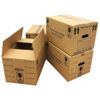
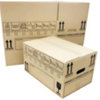
Browse moving supplies and packing materials at B&Q, covering everything needed for house moves, long-term storage and general packing. Cardboard moving boxes are available in small, medium and large sizes and are quick to assemble for general household items. Protective wrapping materials keep fragile items including glassware, ceramics and electronics, safe during transit. Products are available individually or in bundle packs for larger moves.

Showing 48 of 7,781 products

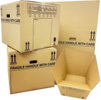
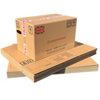
Packaging and moving supplies cover everything needed for house moves, storage and shipping. Cardboard boxes are available in small moving boxes, large cardboard boxes and extra large cardboard boxes to suit most household items, and many are made from corrugated cardboard for added strength during stacking and lifting. A postal box is useful for sending smaller items securely through the post.

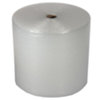
Protective materials help prevent damage during transit and storage. A bubble wrap roll cushions fragile items such as glassware and electronics, while packing peanuts fill empty space and prevent movement inside boxes. Removal blankets protect furniture and larger items from scratches and dents. For securing loads, pallet wrap stabilises items and protects against dust and moisture, and pallet strapping adds extra security when stacking heavier goods.


FAQs

What packaging do I need for moving house?

A typical house move requires boxes in mixed sizes, protective wrapping for fragile items and padding for furniture. Sturdy moving boxes in small, medium and large sizes help separate items by weight and fragility. Protective wrapping is essential for glassware, mirrors and electronics. Moving blankets cover furniture and larger items during transport. Labels and markers keep boxes clearly identified for unpacking.
 

How many boxes do I need to move house?

As a general guide, a one-bedroom home typically requires 10 to 20 boxes, a two-bedroom home 20 to 30, and a three-bedroom home 30 to 50. The exact number depends on how much you own and how items are packed. Buying a few extra boxes is recommended, as it is easier to return unused boxes than to run short on moving day.
 

What is the best way to pack fragile items?

Wrap each fragile item individually to prevent contact and reduce the risk of chips or cracks. Place heavier items at the bottom of boxes with lighter pieces on top, and fill any gaps to prevent movement during transit. Bubble wrap provides cushioning for glassware and electronics. Label boxes containing fragile items clearly and keep them upright during transport.
 

Are cardboard boxes strong enough for moving?

Yes. Good quality cardboard boxes made with multiple layers handle the demands of most house moves when used correctly. Avoid overloading larger boxes as this increases the risk of the base giving way. Reinforce the base with strong tape and distribute weight evenly. Stacked carefully, they're a reliable and practical option for most household items.
 

What is the difference between packing paper and bubble wrap?

Packing paper is lightweight and flexible, useful for wrapping everyday items, lining boxes and filling gaps to prevent movement. Bubblewrap provides greater cushioning and shock absorption, making it better suited for fragile or valuable items. For most moves, a combination of both gives the best protection across different item types.
 

Can packaging materials be reused after moving?

Yes. Undamaged boxes can be flattened and stored for future use or passed on to others moving house. Protective wrapping and padding can be reused for storage or future packing as long as they remain in good condition. Check boxes for tears or weakened corners before reusing to ensure they still provide adequate protection.