
Skip to content
 

Fence posts

Fence posts provide the essential foundation for any fencing project, anchoring panels securely in the ground and ensuring your boundary stays stable in all weather conditions. Available in timber, metal and concrete, garden fence posts come in a range of sizes to suit different panel heights and ground conditions. Timber fence posts are the most popular choice for traditional gardens, while metal and concrete options offer greater strength for exposed or high-traffic boundaries. Look for pressure-treated options for added resistance to rot, and always match your fencing post size to your chosen panel height for a secure, lasting finish.

Showing 53 of 1,518 products

By Type

Choosing the right type of fence post is an important first step in any fencing project, as each style serves a different purpose depending on your layout, panel type and ground conditions.

A gate post is designed to provide the additional strength and stability needed to support hinges, latches and the weight of a gate. Treated fence posts offer added protection against rot and prolonged outdoor exposure, making them a popular choice for most garden fencing projects. Pressure treated fence posts go a step further, with preservative forced deep into the timber fibres for improved longevity and minimal maintenance. If you prefer to apply your own finish, untreated fence posts give full flexibility over colour and appearance. For fencing layouts that use drop-in panels, slotted fence posts make installation more straightforward by guiding panels securely into place without additional fixings.

By Material

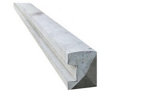
Choosing the right material for your fence posts has a direct impact on the strength, longevity and appearance of your finished boundary. Each material has different strengths depending on your garden layout, climate and how much maintenance you are prepared to do. Concrete fence posts are one of the most popular choices, offering exceptional strength and low maintenance that makes them ideal for long-term fencing projects where stability is essential. Metal fence posts provide a slim, strong profile with a clean contemporary finish, making them a good fit for modern garden designs.

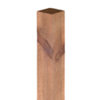
Wooden fence posts are the most traditional option, with a natural finish that blends well with timber panels, decking and planting. Composite fence posts combine durability with resistance to rot and splitting, requiring minimal upkeep while retaining a fresh appearance over time. Plastic fence posts are a lightweight, easy-to-install option with strong weather resistance, suited to gardens where low maintenance is the priority.

By Shape

Fence post shape affects both the appearance of your finished boundary and how panels are held in place, so it is worth understanding the differences before buying. Round fence posts suit rustic, agricultural and woodland-style gardens, bringing a natural, informal look to garden boundaries. Square fence posts deliver clean, straight edges that pair well with modern panels and more structured garden layouts. Half round fence posts offer a middle ground, with a curved face and flat back that combines a natural appearance with a stable, easy-to-fix profile.

For installations where panels need to be held firmly in position, more specialised shapes are available. U shaped fence posts are designed to guide and secure panels neatly into place, while H shaped fence posts provide strong, consistent support along longer continuous runs of fencing.

By Size

Getting the size of your fence posts right is essential for a stable, long-lasting boundary. As a general rule, fence posts should be longer than the panel height to allow for the section that sits below ground, so always account for ground depth when choosing your post length.

For tall panels or boundaries where extra privacy and security are needed, 10ft fence posts provide a robust foundation. 8ft fence posts are the most versatile option, suiting most standard garden fencing projects. For lower boundaries or decorative edging, 6ft fence posts offer a practical balance of height and stability.

Width is equally important and should reflect the weight and size of your panels. 50mm posts suit lighter fencing projects, 75mm posts work well for everyday garden fencing, and 100mm posts provide the additional strength needed for heavier panels or more exposed boundary positions.

FAQs

What size posts do I need for my fence?

Post size depends on the height and weight of your panels. As a general rule, choose posts around one-third longer than your finished fence height to allow for ground depth. For heavier panels or exposed locations, wider posts of 75mm or 100mm provide better stability than slimmer options.


How deep should fence posts go into the ground?

Posts should be set around one-third of their total length below ground level. This depth helps prevent leaning or movement, particularly in softer soil or exposed locations. Make the hole wide enough to backfill with concrete or gravel to give the post a secure, stable anchor point.


How tall should fence posts be for my fence height?

A common approach is to choose posts around 2ft taller than your intended fence height to account for the section buried underground. For example, an 8ft post suits a 6ft fence panel. This ensures there is enough depth in the ground to keep the structure stable and upright.


Do I need thicker posts for heavy panels?

Yes. Thicker posts of 75mm or 100mm are recommended when supporting heavier panels or when the boundary is in an exposed or windy location. Wider posts offer greater rigidity, help prevent bending over time and keep panels aligned more effectively than slimmer posts under the same conditions.


Should I use gravel or concrete when installing fence posts?

Concrete provides a stronger, longer-lasting foundation and is the better choice for taller or heavier fencing. Gravel is easier to work with, offers improved drainage and is simpler to adjust or remove, making it better suited to lighter installations or areas prone to waterlogging.


Can fence posts be installed on uneven or sloped ground?

Yes. Posts can be installed on sloped ground using two methods: stepping, which creates small height changes between sections, or raking, which keeps the top line of the fence following the slope. In both cases, each post must be set vertically and at the correct depth for stability.