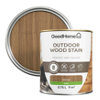
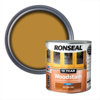
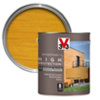
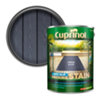
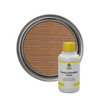
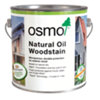
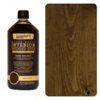
Transform the wood in and around your home with our fantastic selection of wood stain, including deck stain and coloured wood stain options. A wood stain penetrates the wood, preserving and protecting it, and providing extra protection from weathering elements. If you're looking for linseed oil, it's often used in stains to preserve its natural texture. Staining wood and other surfaces can be a brilliant way to integrate furniture into a room better. A great coat of wood stain or wood dye on your wood can dramatically improve its appearance, bringing out the beauty of the wood grain rather than covering it. Wood staining is also the best way to keep your surfaces looking newer for longer, saving you money and time. You'll find a whole range of wood stain colours and shades, as well as floorboard stain for floor stain projects. Check out all our interior woodcare products, and refresh tired-looking flooring with ease using a new roller.
Transform the wood in and around your home with our fantastic selection of wood stain, including deck stain and coloured wood stain options. A wood stain penetrates the wood, preserving and protecting it, and providing extra protection from weathering elements. If you're looking for linseed oil, it's often used in stains to preserve its natural texture. Staining wood and other surfaces can be a brilliant way to integrate furniture into a room better. A great coat of wood stain or wood dye on your wood can dramatically improve its appearance, bringing out the beauty of the wood grain rather than covering it. Wood staining is also the best way to keep your surfaces looking newer for longer, saving you money and time. You'll find a whole range of wood stain colours and shades, as well as floorboard stain for floor stain projects. Check out all our interior woodcare products, and refresh tired-looking flooring with ease using a new roller.
Available for £6 Home Delivery Free for orders over £75
Available for Free Click + Collect
Available in selected stores
Showing 53 of 1,505 products
By Project
Choosing the rightwoodstain starts with how and where the timber will be used. Different projects demand different levels of protection, durability and finish, whether you’re refreshing a garden deck, treating fence panels or enhancing indoor furniture. Exploring stains by project helps narrow down the best timber treatment for long‑lasting results. For outdoor surfaces that see heavy foot traffic, decking stain is formulated to protect against moisture, UV exposure and wear. Many homeowners opt for specialist options like Cuprinol decking stain or long‑lasting finishes such as Ronseal decking stain, which help reduce fading and cracking over time.
If you’re working on boundaries or garden structures, fence stain is designed to soak into timber and provide weather‑resistant colour. These outdoor wood stains are ideal for protecting fence panels while still allowing the grain to show through. Indoors, projects such as tables, shelving and cabinets benefit from furniture stain that enhances natural grain while offering a smooth, decorative finish. For vertical surfaces and entryways, door stain provides an attractive alternative to paint, especially on internal and external timber doors. For quicker jobs and detailed areas, wood stain spray allows for fast, even coverage, making it useful for spindles, trims and intricate designs. By selecting a stain based on your project, you’ll achieve better protection, improved colour retention and a finish that suits your space — whether indoors or out.
By Location
Whether timber is used inside the home or exposed to the elements outside, choosing the right wood stains is essential for both appearance and protection. Indoor and outdoor environments place very different demands on timber, so selecting a stain designed for the location helps extend lifespan and maintain colour. For internal projects, interior wood stain is formulated to enhance natural grain while providing a smooth, decorative finish. These stains are ideal for furniture, staircases, shelving and doors, where colour depth and consistency matter more than heavy weather resistance. Many interior timber treatments are designed to be low odour and quick drying, making them suitable for use throughout the home.
Outdoor timber requires tougher protection. exterior wood stain is designed to withstand rain, UV exposure and temperature changes, helping prevent cracking, peeling and fading. These outdoor stains are commonly used on decking, fences, sheds and garden furniture, where durability and long‑term performance are key. Some projects benefit from added flexibility. interior & exterior wood stain offers a versatile solution, suitable for areas such as doors, window frames and covered outdoor spaces. These multi‑purpose timber stains provide balanced protection while maintaining a consistent finish across different areas of the home. You can also refine your choice further by combining location with project type. For example, exterior‑ready finishes are available for external door stain, while indoor‑safe options are ideal for decorative woodwork and furniture. Choosing the correct stain for the environment ensures better adhesion, longer‑lasting colour and a finish that performs as well as it looks.
By Colour
Choosing the right colour is one of the most important steps when selecting a wood stain colour to make a bold design statement, colour influences both the final look and how timber works within a space. Whether you’re refreshing indoor furniture or treating outdoor woodwork, colour-led stains help you achieve the finish you want. Dark tones remain a popular choice for contemporary projects. Black wood stain creates a modern, dramatic look that works particularly well on exterior doors, fences and feature furniture. Similarly, grey wood stain offers a softer alternative, ideal for decking and garden furniture where a neutral, weathered appearance is desired.
For more traditional finishes, brown wood stain remains a versatile option, complementing both classic interiors and outdoor timber structures. If you want to highlight the natural character of the wood itself, natural wood stains enhance grain patterns while maintaining an authentic timber look. Lighter tones can brighten spaces and soften larger surfaces. White wood stain is popular for interior furniture, panelling and decorative woodwork, helping create a clean, airy feel without fully obscuring the grain. For a subtle finish that protects without altering colour too much, clear wood stain is ideal for both indoor and outdoor use. Adding colour doesn’t have to be bold. Muted shades like green wood stain and blue wood stain work well on garden features, sheds and fencing, allowing timber to blend naturally into outdoor spaces. Exploring stains by colour makes it easier to match your project to your surroundings while achieving a durable, long‑lasting finish.
By Brand
Choosing a trusted brand can make a real difference to the finish, durability and ease of application when selecting a wood stain. Leading manufacturers invest in specialist formulations designed to protect timber, enhance natural grain and deliver consistent results across a wide range of projects. Ronseal wood stain is a popular choice for both indoor and outdoor use, offering dependable protection and long‑lasting colour. From garden fencing to decking and doors, Ronseal products are designed to withstand the UK climate while maintaining an attractive finish. For extended durability, ranges such as Ronseal 10 Year treatments provide added peace of mind on exterior timber.
For those looking to enhance the natural character of wood, Osmo wood stain is well known for its oil‑based finishes that nourish timber while offering strong protection. These stains are especially popular for interior furniture, flooring and detailed woodwork where grain definition is key. Outdoor projects often benefit from specialist protection. Cuprinol wood stain is widely used for decking, fencing and garden structures, helping protect timber against weathering, moisture and UV damage. Their exterior‑focused formulations are ideal for high‑exposure areas. Other trusted options include Rustins wood stain, known for quality finishes across both decorative and protective applications, and Littlefair’s wood stain, which specialises in interior timber treatments and rich colour depth. Exploring stains by brand makes it easier to find the right balance of performance, finish and reliability for your project.
FAQs
Can I use the same wood stain indoors and outdoors?
Some wood stains are suitable for both indoor and outdoor use, but not all. Multi‑purpose stains are formulated to balance durability with a decorative finish, making them suitable for doors, window frames and covered outdoor areas. Always check the product label before use. Interior‑only stains do not contain the weather protection needed outdoors and can fade, peel or fail much faster.
What is the best wood stain for decking?
Deck stain is designed to handle foot traffic, moisture and UV exposure. It penetrates the timber to reduce cracking and flaking while maintaining grip underfoot. Look for products specifically labelled for decking use, especially those offering slip resistance or long‑lasting protection. Regular cleaning and reapplication when needed will help keep decking protected and looking its best.
How many coats of wood stain do I need?
Most wood stains require two coats for even colour and effective protection. Highly absorbent or weathered wood may need an extra coat, while darker colours can sometimes achieve good coverage more quickly. Always follow the manufacturer’s instructions and allow the recommended drying time between coats to ensure the best finish and long‑term performance.
Does wood stain protect against weather?
External wood stain is designed to protect timber from rain, UV exposure and temperature changes. It helps reduce water absorption, slow fading and prevent surface damage. However, no stain lasts forever. Outdoor wood should be inspected regularly and re‑treated when signs of wear appear to maintain protection and extend the life of the timber.
Is wood stain better than paint for wood?
Wood stain penetrates the timber, enhancing natural grain and allowing the wood to breathe, while paint forms a surface coating that fully covers the wood. Stain is often preferred for a natural look and easier maintenance, whereas paint offers bold colour and full coverage. The better option depends on the appearance you want and how much upkeep you’re willing to do.
How long does wood stain take to dry?
Drying times vary depending on the product, temperature and humidity. Many wood stains are touch‑dry within a few hours but may require 12–24 hours before recoating. Exterior options can take longer to fully cure, especially in cooler or damp conditions. Always follow the manufacturer’s guidance before exposing stained wood to moisture or heavy use.
Do I need to sand wood before staining?
Sanding is recommended for the best results. It removes dirt, old finishes and surface imperfections, helping the stain absorb evenly. New wood benefits from a light sand, while previously treated surfaces may need more preparation. Always remove dust before staining, as residue can affect both colour consistency and the final finish.
Choosing the rightwoodstain starts with how and where the timber will be used. Different projects demand different levels of protection, durability and finish, whether you’re refreshing a garden deck, treating fence panels or enhancing indoor furniture. Exploring stains by project helps narrow down the best timber treatment for long‑lasting results. For outdoor surfaces that see heavy foot traffic, decking stain is formulated to protect against moisture, UV exposure and wear. Many homeowners opt for specialist options like Cuprinol decking stain or long‑lasting finishes such as Ronseal decking stain, which help reduce fading and cracking over time.
If you’re working on boundaries or garden structures, fence stain is designed to soak into timber and provide weather‑resistant colour. These outdoor wood stains are ideal for protecting fence panels while still allowing the grain to show through. Indoors, projects such as tables, shelving and cabinets benefit from furniture stain that enhances natural grain while offering a smooth, decorative finish. For vertical surfaces and entryways, door stain provides an attractive alternative to paint, especially on internal and external timber doors. For quicker jobs and detailed areas, wood stain spray allows for fast, even coverage, making it useful for spindles, trims and intricate designs. By selecting a stain based on your project, you’ll achieve better protection, improved colour retention and a finish that suits your space — whether indoors or out.